The Power of Scarcity: Why “Limited” Sells
Remember when I opened a SECOND location right before the pandemic? Yikes.
The Line Around the Building
One of the most effective forms of marketing right now is simply being unavailable.
Not permanently unavailable. Just unavailable ENOUGH.
Post-covid, I’ve noticed more and more businesses shifting away from traditional hours and toward controlled scarcity. Instead of being open consistently, some places are open:
three days a week
for a few hours at a time
with limited quantities
And every single time they open, there’s a line out the door.
By the end of the day — or sometimes within an hour — they’re sold out.
From the outside, it creates the appearance of overwhelming demand. “They are so amazing they sell out every day!” When the reality of “every day” is actually just three days a week for three hours. And to be fair, sometimes the demand is real. But scarcity itself also changes customer behavior.
People want what feels limited. Hello Labubu, you weird little doll.
Don’t get me wrong, I created a little bit of scarcity too when I had the always open” retail shop. It’s part of the allure.
Retail Shops and the “Always Available” Problem
Traditional retail works differently and requires a LOT more labor to make it happen. Staff is always baking, even during open hours. Staff is attending to customers. Staff is cleaning the bathrooms, etc etc. If a bakery is open:
Tuesday through Sunday
from morning until evening
…customers assume it will still be there later.
There’s less urgency. People delay the visit. They tell themselves they’ll stop by next week. Or next month. Consistent availability is convenient, but it removes pressure. I was open for 13 years at the same location and I got so many messages when I closed, like “Oh I kept meaning to stop by and try it but I was never able to get there.”
And strangely enough, pressure sells.
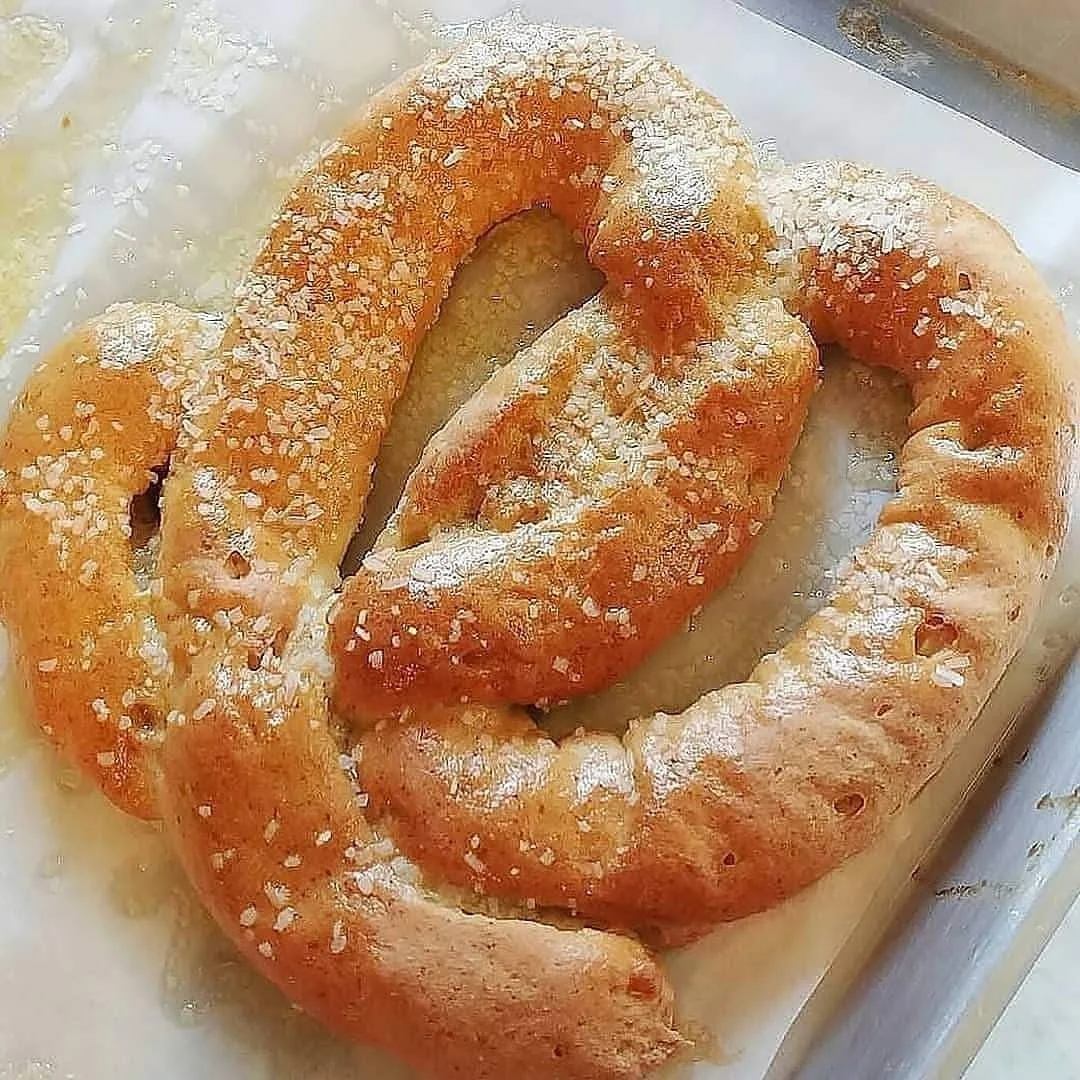
It used to be called SOFT PRETZEL WEDNESDAY because Wednesday was our slowest day of the week and it got people inside.
The Psychology of Missing Out
When something feels limited:
people act faster
they prioritize it
they tell other people about it
No one posts:
“I visited the bakery that’s open all year during normal business hours and I got that thing they always have.”
But people absolutely post:
“We got the LAST box before they sold out.”
Scarcity creates a story. It turns a purchase into an event. And people love feeling like they got access to something before it disappeared. Frankly, it’s pretty genius marketing.
I Accidentally Tested This Myself And So Did My Friend
When I announced the closure of my retail shop, something strange happened.
Sales increased. Not slowly. Immediately.
In the final three months after announcing the closure, the bakery did more business than it had done in the previous 7 months.
Suddenly people:
rushed in
placed orders
made special trips
bought things “one last time” (Even though the announcement said I would be at farmer’s markets immediately after closing the shop. I should have put that line first, I guess.)
My wholesale accounts also panicked (though they were warned earlier) and then THEY all ordered mountains of items. The products hadn’t changed overnight. The difference was urgency. People thought: “What if I never get this again?” And that question is incredibly powerful in sales.
Honestly, it felt really good after everyone shunned all their favorite places during that whole 2020-2022 nightmare that was the majority of the pandemic. But I was so exhausted from trying to make it work and NOW everyone was ordering anything they could get their hands on.
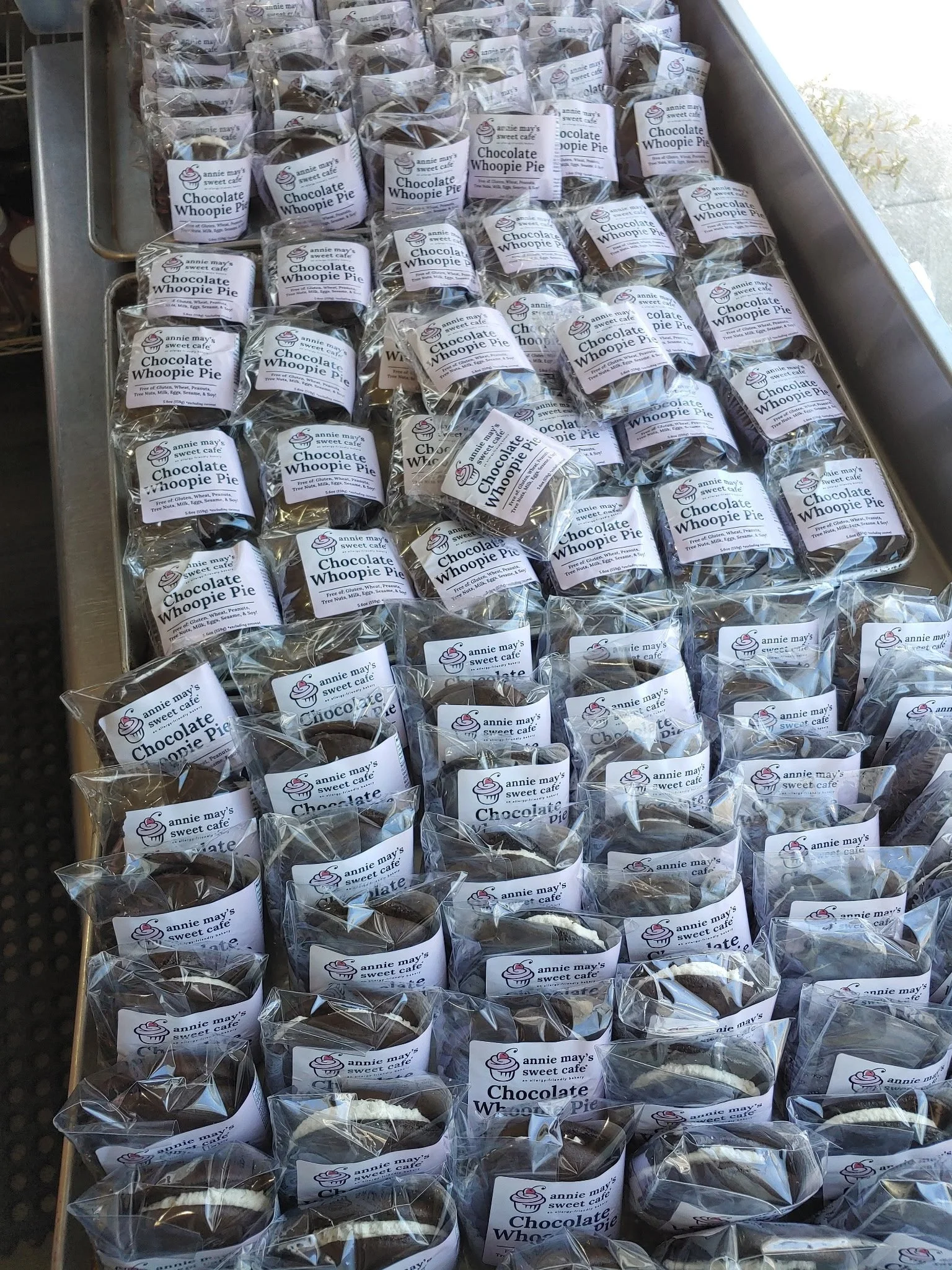
Just a little wholesale panic ordering.
I have several current and former bakery owner friends, and one of my friends closed her shop, Sweet Surrender, about a year before I did. Pre-covid, we would grab a drink after wedding deliveries or go out to eat on a Monday (our mutual day off) because you just need to complain and advise someone in the same situation as you.
People didn’t understand our friendship and thought we would be rivals because we both owned bakeries, but we never viewed it that way at all. This was someone I could be honest with about the struggles of ownership, or a difficult employee, or even brag about a great day. But covid depleted our cushions for emergencies, and when her shop had a pipe burst, which delayed her ability to operate for weeks, she had nothing left. Sadly, we had to advise each other about closing down. How much more can you rally, and give, and stress about, and fire, and hire, and worry about money, and not pay yourself for months, and have customers yell at you, and have issues finding product you need? At some point, you just become that seal in that nature documentary who cannot fight off the orca pod anymore and just sinks back into the water to die. You’re done. You need a hundred years of sleep, and you need a friend who doesn’t think you closing is also you being a loser. Your friend knows exactly how it all went down and doesn’t judge you at all. She is that friend.
What both of us experienced was the strange reality that people often show up most intensely when they think something is disappearing. Customers panic. Orders flood in. Suddenly everyone remembers their favorite cake, cookie, or bakery. And while that urgency is powerful for sales, it can also feel bittersweet when you’ve spent years trying to convince people to care, before the exhaustion set in.
But one of the best things I gained from owning a bakery was friendships with people who truly understood the weight of it all. Not the fun parts people see online — the actual pressure of keeping a business alive year after year. Sometimes you just need someone who understands that closing a business is not failure. Sometimes it’s simply the moment when you realize you can’t keep fighting the orcas forever.
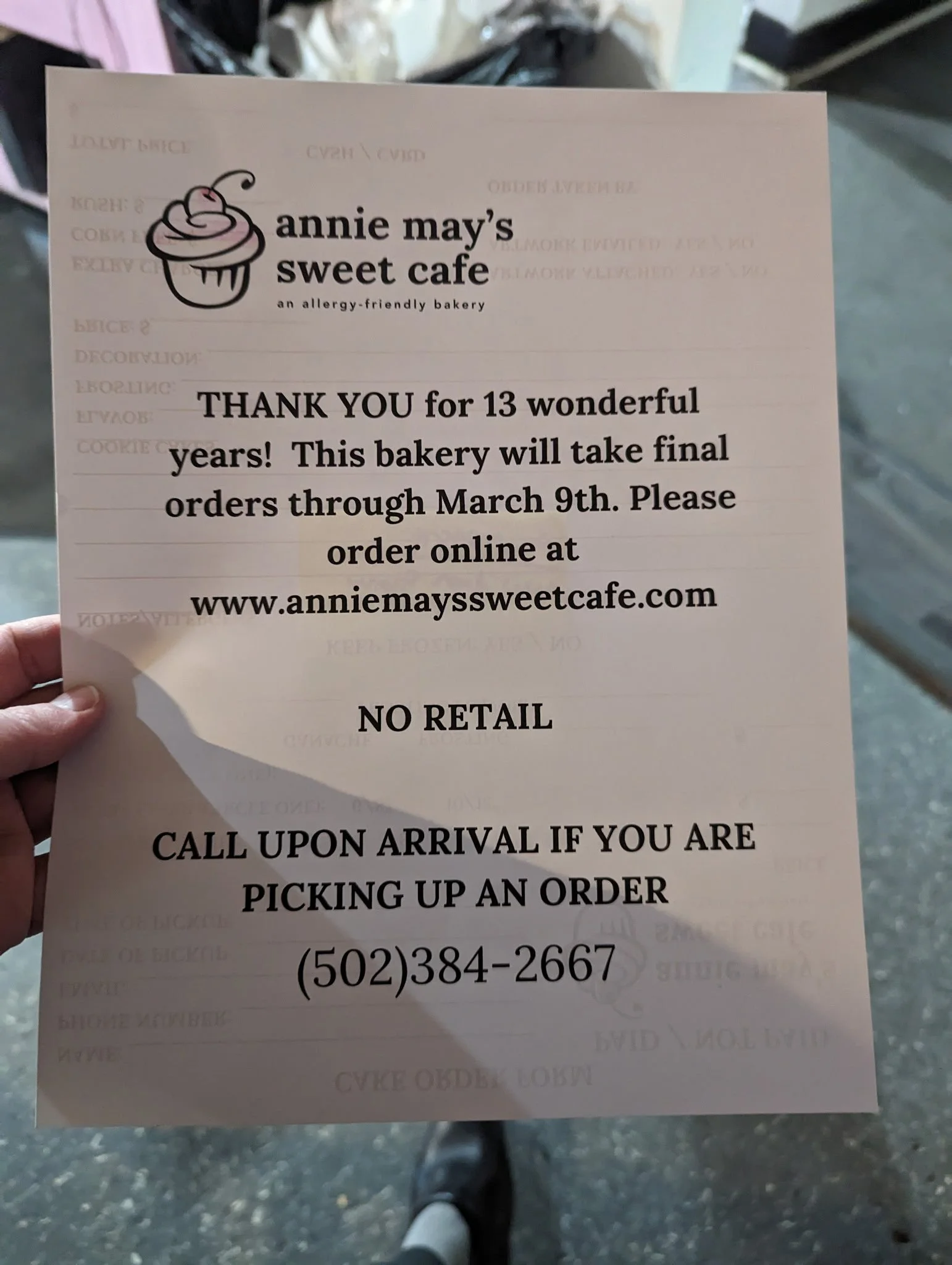
By the time you saw this online, I had carried that weight for a year.
Farmers Markets Naturally Create Scarcity
Farmers markets work the same way, whether vendors realize it or not.
Markets only happen:
once or twice a week
for limited hours
with limited inventory
Once the market ends, it’s over until next time. That naturally creates urgency.
Customers know:
the cinnamon rolls might sell out
the seasonal item may not return
the vendor won’t be there tomorrow
And because of that, people buy differently at markets than they do in traditional retail. I’m very much enjoying it like I did the first ten years of having a retail spot. Scarcity means I get to be more creative because I don’t have to keep a stock of the ten most purchased items at all times. That’s one of the reasons why I started a bakery in the first place. You know, for the fun part to outweigh the bad stuff.
Limited Feels Special
Scarcity also changes perception.
Limited products often feel:
higher quality
more exclusive
more desirable
Even when the product itself hasn’t changed. There’s a reason brands constantly use phrases like:
limited edition
seasonal release
small batch
while supplies last
People enjoy being part of something that feels temporary or hard to access.
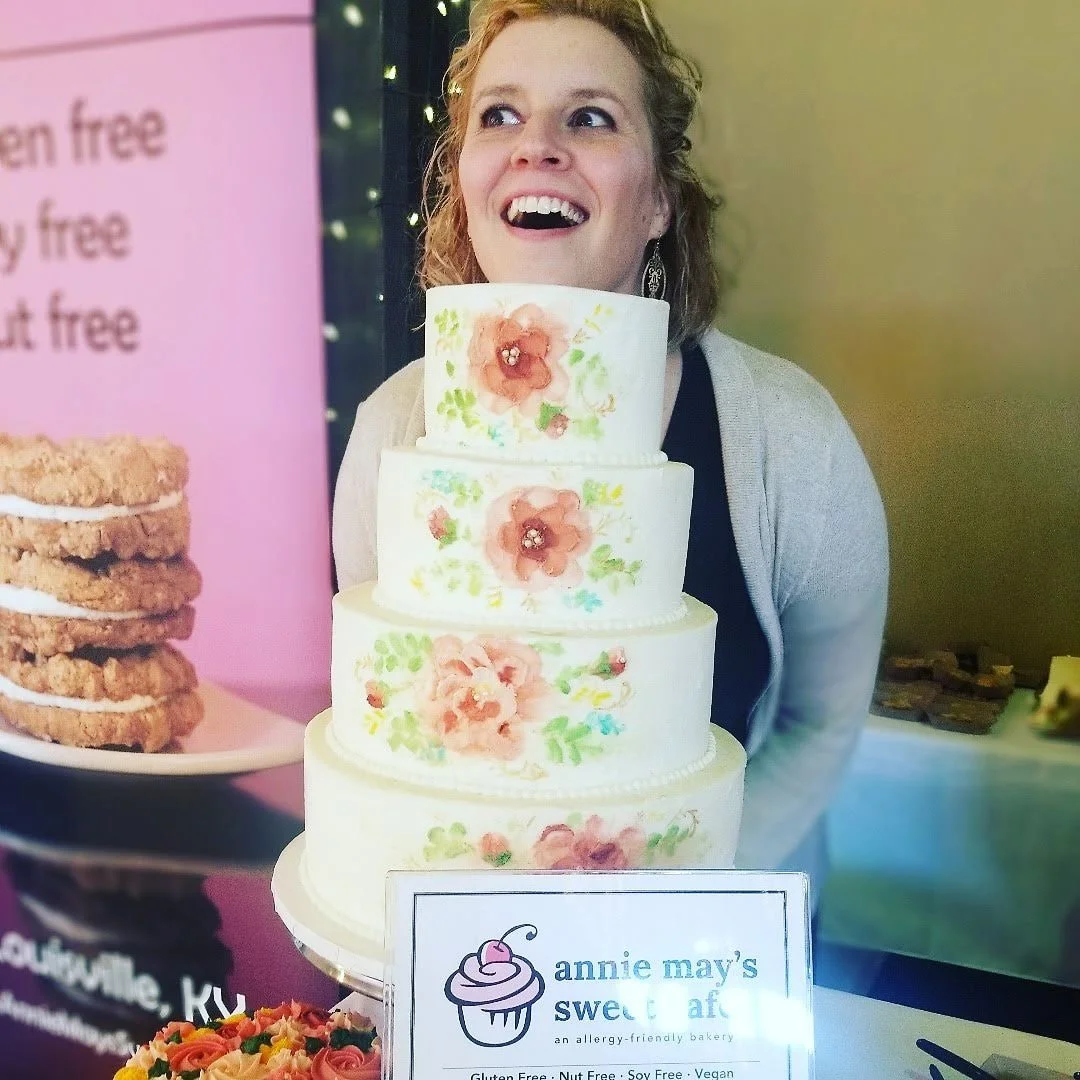
The fun part was REALLY fun.
The Strange Balance
Of course, there’s a balance to all this.
Artificial scarcity can absolutely become annoying if it feels manipulative. At some point customers start wondering if they actually want the product — or just the experience of chasing it. You may be able to hold on to that line out the door for a few years, and keep creating those TikTok reels, but eventually, people will give up if it’s too hard to obtain.
But there’s no question that scarcity works.
In many cases, it works better than constant availability ever did.
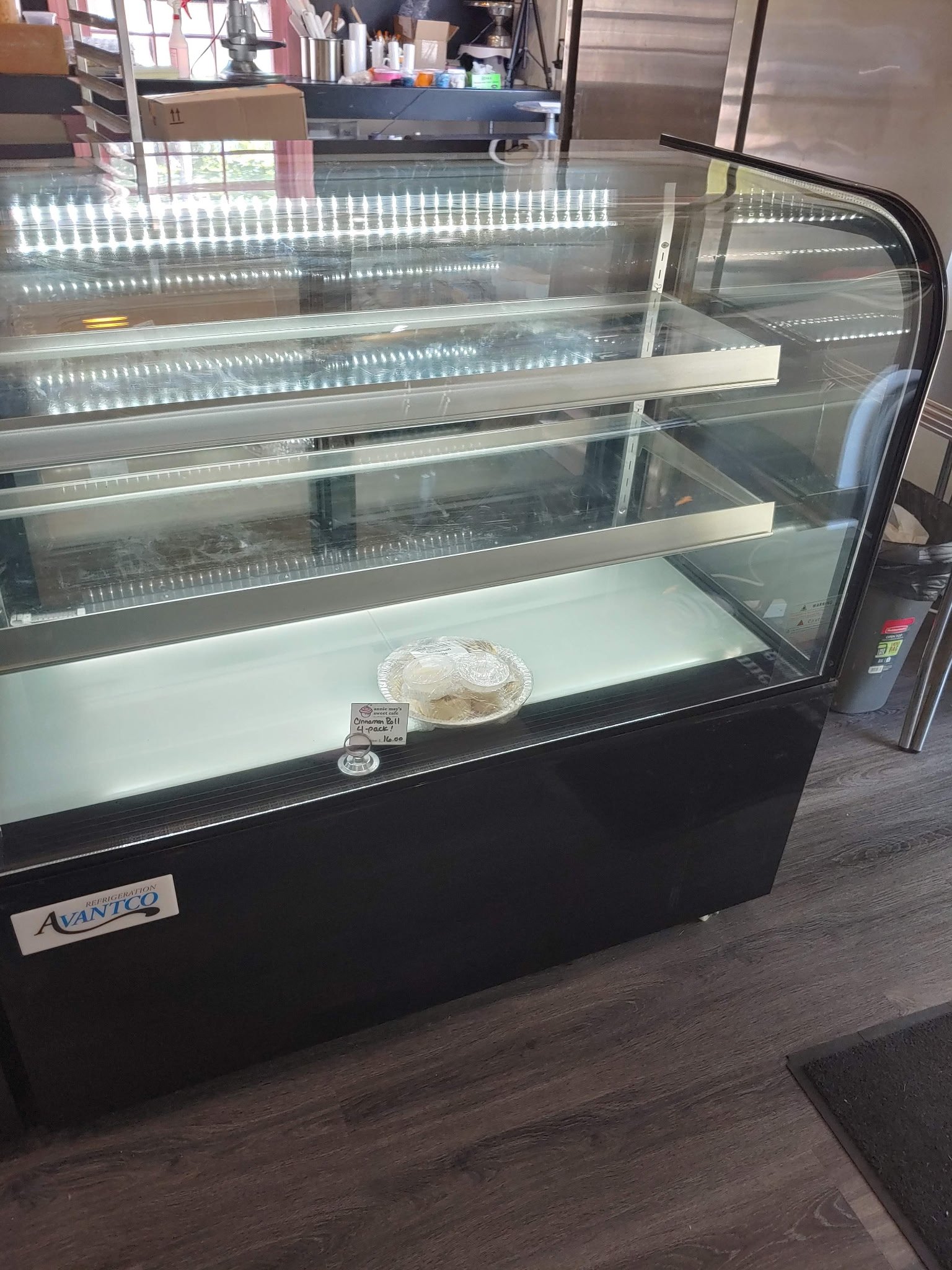
Oh, the empty case with five minutes to go before end of day. That was the goal for sure.
For a long time, businesses were taught that success meant:
longer hours
more locations
more availability
Now it almost feels reversed. I actually envy people who opened their brick-and-mortar buildings post-covid because you don’t have to follow the same unspoken rules anymore. Pre-covid you BETTER be open when it’s convenient for customers and not convenient for you or for your workers.
Once everything shut down for the pandemic, the rules were gone. People started working from home and would run errands all day instead of only after work or on Saturdays. You didn’t need to make sure your bakery cases were full for 10 hours a day in case someone walked in to buy something (people HATE seeing low inventory in a case), because most people wanted curbside pick up anyway. They never even saw the case.
At one point I had 12 employees in that tiny building and we were open 6 days a week. Three worked in the back with prep/dishes, three worked out front (5 on Saturdays?), there was a full-time cake decorator, and sometimes management or me (the owner) had to do all the admin work in the dining room. You had to have a full staff at all times. Staff was baking all day long to keep cases full (we even had an overnight baker in 2019! Gasp), staff frosting/decorating/finishing products for the case, staff boxing up bakery items while another staff member rings them up. It had to go fast; people couldn’t wait one more second. Back then, if you had a long line, they would get mad and not excited at how well you were doing. If you had wedding deliveries, you had to have more staff available in the building because 2-3 of you had to leave all day and drop off cakes at different venues all over the county (and often hours away).
Sometimes the businesses creating the most excitement are the ones saying:
“We only have a limited amount.”
And whether it’s intentional marketing or just the structure of a farmer’s market, people still respond to the feeling that they might miss out.
Apparently, nothing makes people want dessert more than thinking someone else might get the last one first.